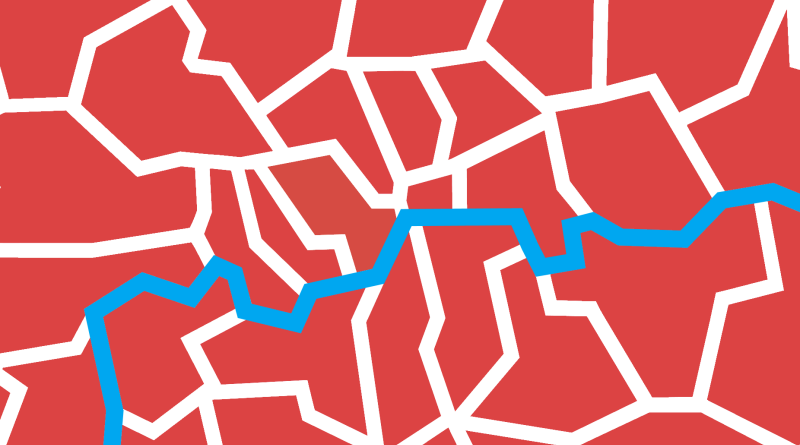
Index of Places The 350 localities and attractions featured on Hidden London The places listed below are in the Gazetteer section unless marked as being in The Guide Places in the Gazetteer section are mostly localities, while those in the Guide tend to be smaller – often an individual structure. Some places in the Guide are double-indexed, to help you find them more easily. A few listed places have yet to be added, so they don’t yet have a h…
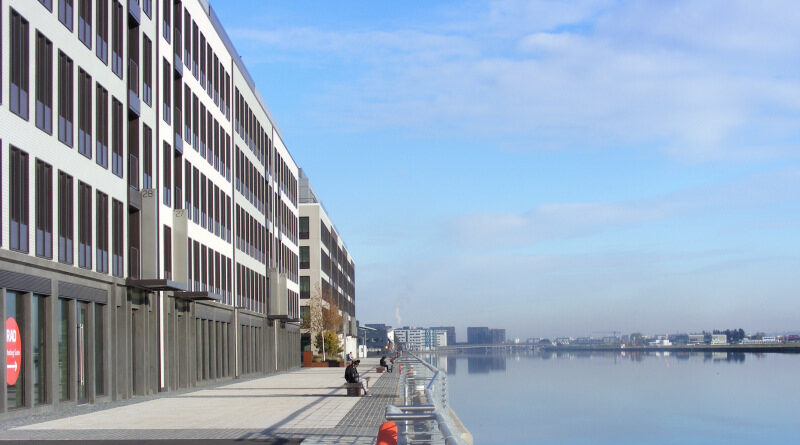
Royal Albert, Newham A Docklands Light Railway station for the Royal Albert Dock, which lies to the south Royal Albert Dock The dock was constructed from 1875 in response to the ever-increasing size of ships, which had become too big even for the neighbouring Victoria Dock. It was opened in 1880 by the Duke of Connaught on behalf of Queen Victoria. The quayside was lined with single-storey transit sheds rather than old-style warehouses a…
Custom House, Newham A redeveloping dockland locality squeezed between Canning Town and Beckton The ExCel exhibition and conference centre The locality takes its name from the Port of London’s custom house, which stood next to the station beside the Royal Victoria Dock. Following the establishment of the Royal Docks, the need for accompanying housing encouraged the brisk growth of Custom House in the 1880s. The area became notorious for its p…
Mill Meads, Newham A nature reserve and historic industrial district situated among the creeks and channels of the River Lea, south of Stratford Parts of Mill Meads are still a marshy wilderness, like this area near the Prescott Channel A ‘mead’ was a meadow and the mills were mainly of the tidal variety, taking advantage of the twice-daily swell on the river, where it becomes Bow Creek. Products milled here from the 16th century included cor…
Gallions Reach, Newham and Greenwich A stretch of the Thames between Woolwich and Barking Creek that’s given its name to a DLR station in south-east Beckton and a Thamesmead housing estate Gallions Hotel The Galyons were a 14th-century family who owned property on the shoreline. Gallions Point, at the entrance to the King George V Dock, is nine nautical miles below London Bridge. In 1878 Gallions Reach was the scene of Britain’s worst ever …
Pudding Mill Lane, Newham Barely 500 yards in length, Pudding Mill Lane short-circuits Marshgate Lane in south-west Stratford Pudding Mill Lane before its Olympic transformation Pudding Mill was probably named (or nicknamed) because of its shape and its last incarnation was demolished during the first half of the 19th century. Also called St Thomas’s Mill, it stood at what became the junction of Marshgate Lane and Pudding Mill Lane. The lat…
Royal Victoria, Newham A Docklands Light Railway station in south-east Canning Town, named after the Royal Victoria Dock, which lies to its south Royal Victoria Dock and the high-level pedestrian bridge The dock was promoted by railway contractors and constructed on a flood plain that was purchased for little more than its agricultural value. Opened in 1855, the Victoria Dock could take the largest steamships and had the latest hydraulic en…
West Silvertown, Newham A set of new urban developments with mixed-tenure housing and some amenities, situated south of Royal Victoria Dock Thames Barrier Park, West Silvertown From the mid-19th century until the early 1980s, riverside factories and quayside warehousing occupied the former marshes. Since the closure of most of the industrial premises West Silvertown has been undergoing (or expecting to undego) extensive regeneration. In th…
Silvertown, Newham A slowly regenerating dockland district situated between the Thames and Royal Victoria Dock Tate & Lyle’s Silvertown sugar refinery Industry and accompanying housing grew up on the marshes here after the cutting of the railway to North Woolwich in 1847, prompting the opening of Silvertown’s own station in 1863. The town takes its name from one of the first manufacturers, SW Silver’s rubber works. In 1877 Henry Tate set…
Three Mills, Newham An industrial island formed by the dividing and recombining tributaries and channels of the River Lea, situated in Mill Meads between Bromley-by-Bow and West Ham Clock Mill This has been a trading site for over 900 years, although little is known about the tidal mills that operated here in the Middle Ages. Three Mills’ name was in use from the 16th century but none of the structures survives from that period and only t…