…um of Zoology, off Gower Street (Camden) The Guide Great Portland Street (Westminster) Green Lanes (Hackney/Haringey/Enfield) Greenland Dock (Southwark) Grove Park (Hounslow) Grove Park (Lewisham) Gunnersbury (Hounslow) H Hackney Wick (Hackney/Tower Hamlets) Hadley (Barnet) Hanger Hill (Ealing) Hanover Square (Westminster) Hans Town (Kensington & Chelsea) Harefield Grove (Hillingdon) Harley Street (Westminster) Harmondsworth (Hillingdon)…
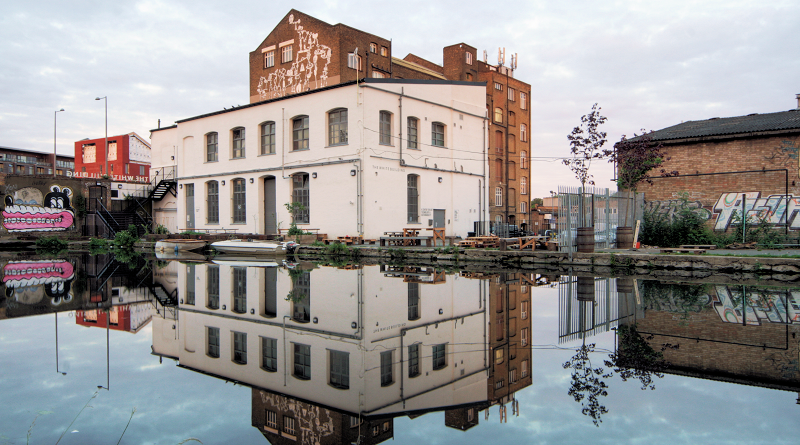
Hackney Wick, Hackney/Tower Hamlets This run-down Leaside area, divided from the rest of Hackney by the East Cross Route, is presently exhibiting a flowering of cultural creativity Dilapidated premises on Wick Road in 2007, showing no sign at that time of pre-Olympics revitalisation The parish church of St Mary of Eton with St Augustine was founded in 1880 by Eton College, which wanted to perform charitable work in a poor part of London. …
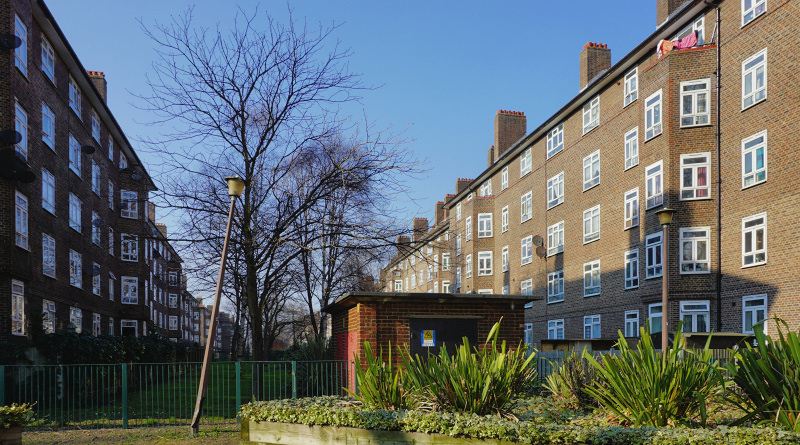
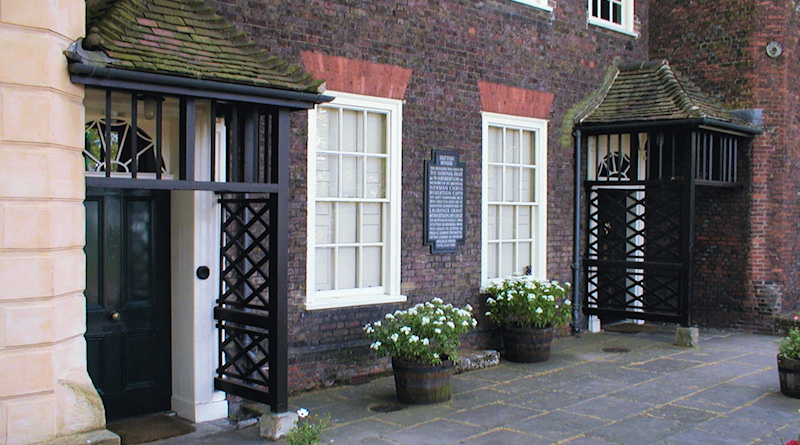
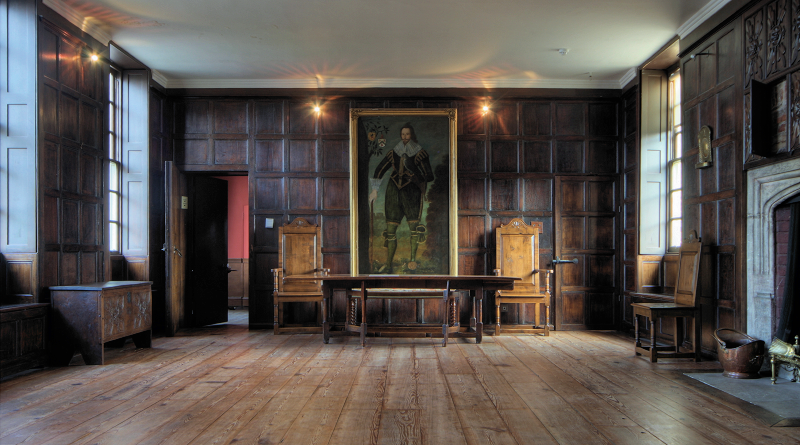
Homerton, Hackney A crowded part of east-central Hackney, dominated by council-built flats Sutton House Homerton (pronounced ‘hommətən’) was first recorded in 1343 and takes its name (which was often rendered as ‘Humberton’) from the farm of a woman called Hūnburh. In 1535 Sir Ralph Sadleir, principal secretary of state to Henry VIII, built a house on Homerton High Street that was later owned by Thomas Sutton, reputedly the wealthiest commo…
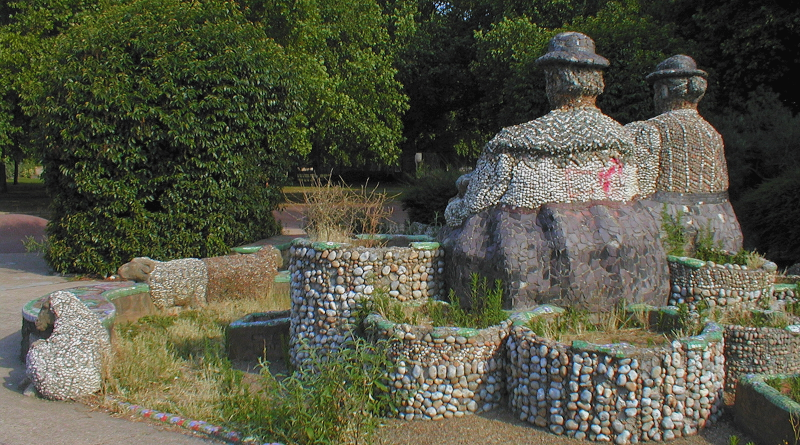
London Fields, Hackney A 31-acre park located west of Mare Street in south-central Hackney and, by extension, the surrounding residential and commercial locality Part of a group of pebble-clad statues in London Fields park The fields formerly lay just outside Hackney, on the London side, hence the name. A smattering of houses bordered the fields from the mid-17th century and the area was densely built up by the early 19th century, with…
Shacklewell, Hackney A multiracial neighbourhood with some light industry, almost squeezed out of acknowledged existence by Hackney and Stoke Newington, which lie on either side Shacklewell’s name may refer to a well-spring in a sunken place or where animals could be shackled (tethered) and was not recorded until 1490, despite its probable Old English origin. In the early 16th century Sir John Heron, reputedly the richest man in Hackney, ow…
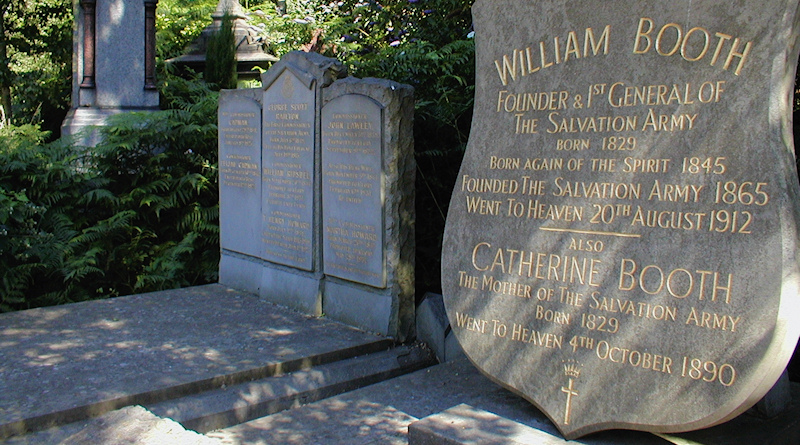
Stoke Newington, Hackney A traditionally nonconformist community, in every sense, situated north-west of Hackney A headstone commemorating the ‘father and mother’ of the Salvation Army, in Abney Park cemetery A medieval village grew up around the twin nuclei of Newington Green and the junction of Church Street with what is now Stoke Newington High Street. Outsiders of all kinds were recorded here from the 15th century – for example: two Fl…
Victoria Park, Tower Hamlets/Hackney A 213-acre park with lakes and amenities, situated between South Hackney and Bow’s Old Ford locality The Baroness Burdett Coutts Drinking Fountain, also known as the Victoria(n) Fountain, one of the few surviving ornamental structures in Victoria Park Victoria Park was created to beautify the East End, provide recreational space and improve public health. Two possible sites were considered: at Bow Common…
…rst waterwheel was erected in 1707 and this was followed by mills grinding corn (and even pins and needles), and a water pumping station. The mills presented an obstacle to navigation, which was overcome by the opening of the Hackney Cut, from Lea Bridge to Old Ford, in 1769. At around the same time, the Lea Bridge turnpike improved accessibility to the City and the district became fashionable for a while with merchants and bankers. On the easte…
Upper Clapton, Hackney The northern part of Clapton is nowadays dominated by municipal and social housing and has a markedly transient population Litter, debris and an old shopping trolley strewn in and around the pond at Clapton Common Manorial courts began to divide Clapton into upper and lower halves around 1800 and the terminology soon entered popular parlance; Upper Clapton Road was formerly Hackney Lane and Clapton Common was Broad Common…
St Mary’s Village, Hackney Britain’s first ‘demand-led pepper-potted mixed tenure development’ St Mary’s Village is a pepper-potted development Situated off Eastway in Hackney Wick, the village takes its name from the nearby parish church of St Mary of Eton and has replaced the run-down tower blocks of the Trowbridge estate, which was built in the 1960s. It is the product of co-operation between the London Borough of Hackney, local re…