…) Down House (Bromley) The Guide Downe (Bromley) Dulwich Picture Gallery (Southwark) The Guide Dulwich Village (Southwark) E East Acton (Ealing/Hammersmith & Fulham) East India (Tower Hamlets) East Finchley (Barnet) East Greenwich (Greenwich) Edmonton Green (Enfield) Elm Park (Havering) Elmstead (Bromley) Emerson Park (Havering) Enfield Island Village (Enfield) Erith (Bexley) Essex Road (Islington) Estorick Collection (Islington) F Fan Museu…
East Greenwich, Greenwich The industrial side of Greenwich, including (by most definitions) the former marshland of the Greenwich Peninsula Armitage Road, East Greenwich, near its junction with Woolwich Road One of the first structures here was the government powder magazine. Throughout the 17th century it tested, stored and distributed gunpowder, to the increasing apprehension of the growing residential population. The building was demolish…
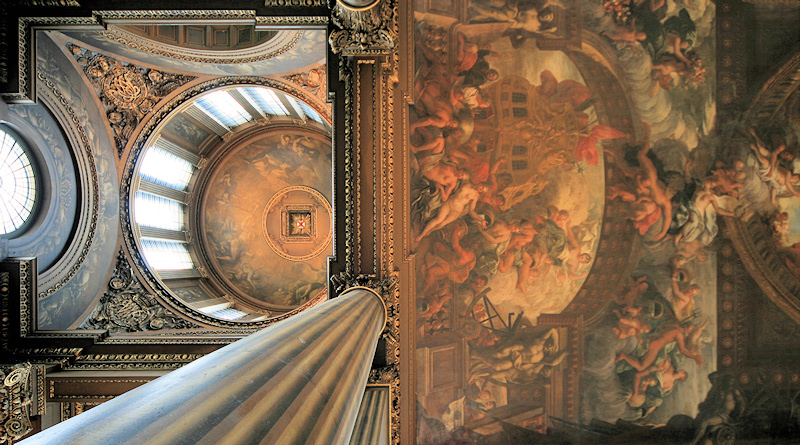
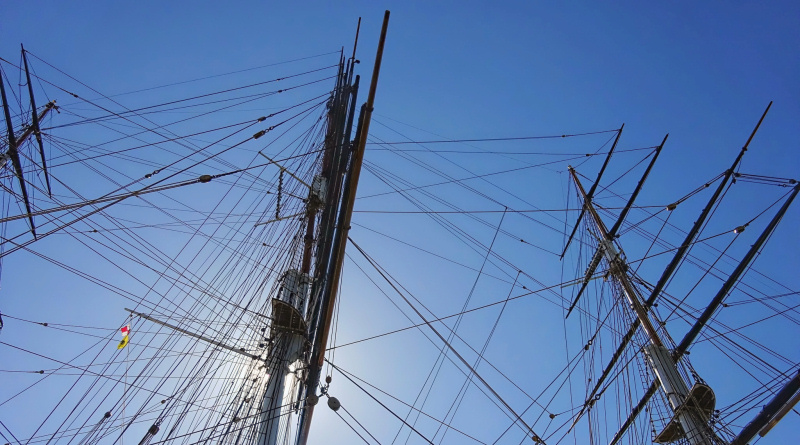
Stupendously decorated dining room The Painted Hall, Old Royal Naval College, Greenwich It may be worth bringing a pair of binoculars to fully appreciate the Painted Hall’s ceiling Honoured as a royal borough in 2012, Greenwich draws hundreds of thousands of visitors every year to experience the delights of the National Maritime Museum, the Royal Observatory, the Cutty Sark, the 02 Arena and the shops, market stalls, pubs and restaurants. Yet…
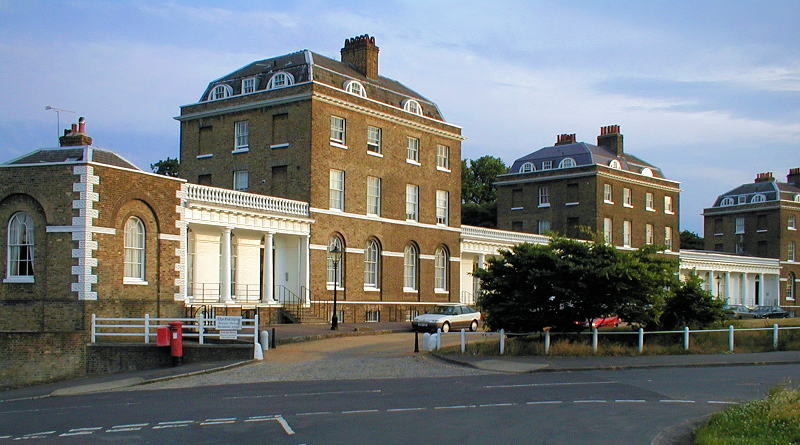
Blackheath, Lewisham/Greenwich A pretty village and common, separated from Greenwich Park by Shooters Hill Road and originally focused on the junction of roads to Greenwich, Woolwich and Lee The Paragon is a unique crescent of seven pairs of houses linked by colonnades, by Michael Searles Most of Blackheath, which got its name either from the colour of the soil or from its bleakness, was in the hands of the earls (originally barons) of Dartmou…
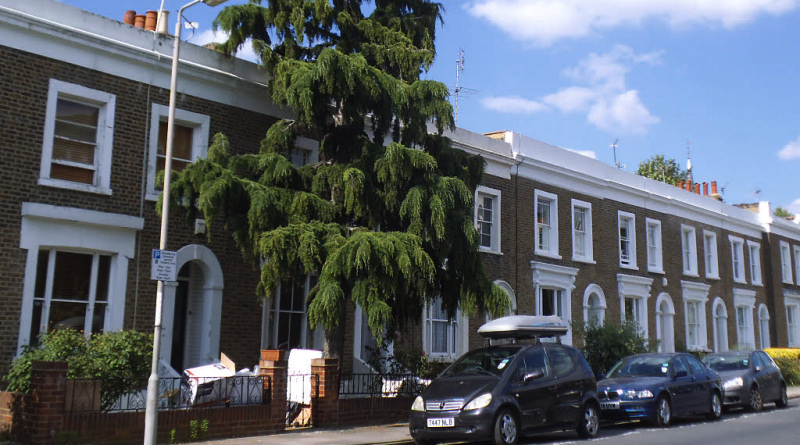
Ashburnham Triangle, Greenwich A conservation area in south-west Greenwich, consisting of nine streets and some later cul-de-sacs, bounded by Greenwich South Street, Blackheath Road and Greenwich High Road 7 Ashburnham Grove, birthplace of Edgar Wallace John Ashburnham, who came from a Sussex family of ‘stupendous antiquity’, acquired the land here as part of a substantial inheritance in 1755. His new possession included the Chocolate H…
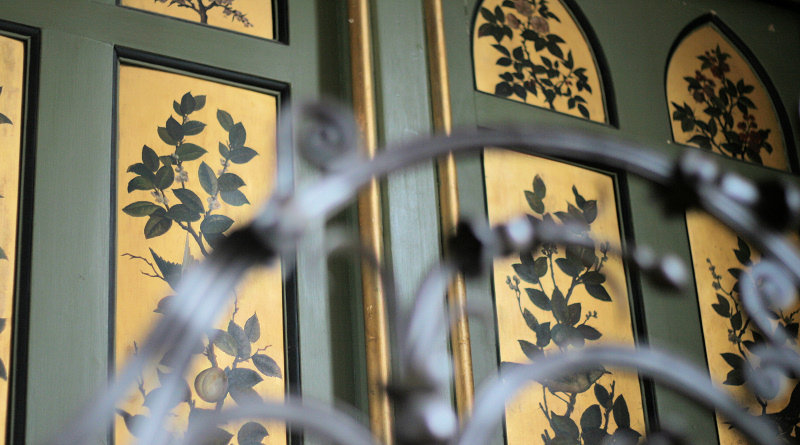
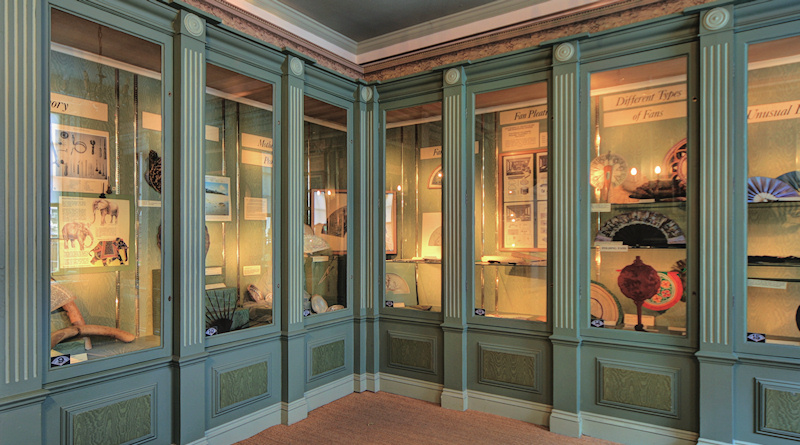
Not just for fanatics The Fan Museum, Crooms Hill, Greenwich Most of the museum’s collection is arranged in elegant display cases London explorers with more than a passing interest in the decorative arts may enjoy briefly immersing themselves in a recherché corner of the subject in this lovely pair of early Georgian houses on Crooms Hills, just a short distance from the tourist mayhem of historic maritime Greenwich. The Fan Museum (which is, u…
Avery Hill, Greenwich A Victorian mansion, park and mid-20th-century housing estate, situated east of Eltham Avery Hill winter garden It is possible that this place’s name refers to an aviary that may have existed here in the early 19th century. A map of 1805 calls the area Pollcat End. John Thomas North was nicknamed ‘the nitrate king’ for the wealth he accumulated dealing in sodium nitrate from Chile and he devoted a large part of his for…
Deptford, Lewisham/Greenwich A historic Thames-side settlement, situated west of Greenwich; its name is a corruption of ‘deep ford’ A traditional London pie and mash shop on Deptford High Street In The Spirit of London’s River, LM Bates says of Deptford waterfront: “This was the ground from which, more than any other, grew the British Empire.” Henry VIII founded a naval dockyard here in 1513 and within a century Deptford had become one of t…
Charlton Village, Greenwich The old centre of Charlton, as opposed to the much larger and newer suburb that has since engulfed it Charlton House St Luke’s Church was first mentioned in 1077, when it lay at the centre of an extensive parish. Charlton House was built for Sir Adam Newton, tutor to Prince Henry, the elder son of James I. The house was completed in 1612, the year the prince died. Newton died in 1629, leaving money that was used to r…
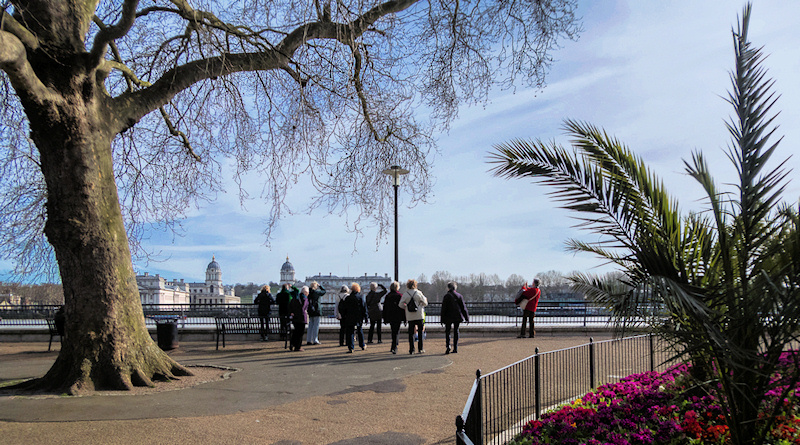
…ibrary. The plantation fell into neglect and by the 1880s it was derelict. In 1895 the London County Council created a park with walks, a play area, bandstand and a 700 foot terrace offering a superb view across the Thames to Greenwich. The Millwall Extension Railway came here in 1872 and the station was named North Greenwich. The line carried some docks traffic as well as daytrippers who crossed to Greenwich by ferry. The ferry service was disco…