… (Southwark) E East Acton (Ealing/Hammersmith & Fulham) East India (Tower Hamlets) East Finchley (Barnet) East Greenwich (Greenwich) Edmonton Green (Enfield) Elm Park (Havering) Elmstead (Bromley) Emerson Park (Havering) Enfield Island Village (Enfield) Erith (Bexley) Essex Road (Islington) Estorick Collection (Islington) F Fan Museum (Greenwich) The Guide Farthing Street (Bromley) Figge’s Marsh (Merton) Finsbury (Islington) Fish Island (Tow…
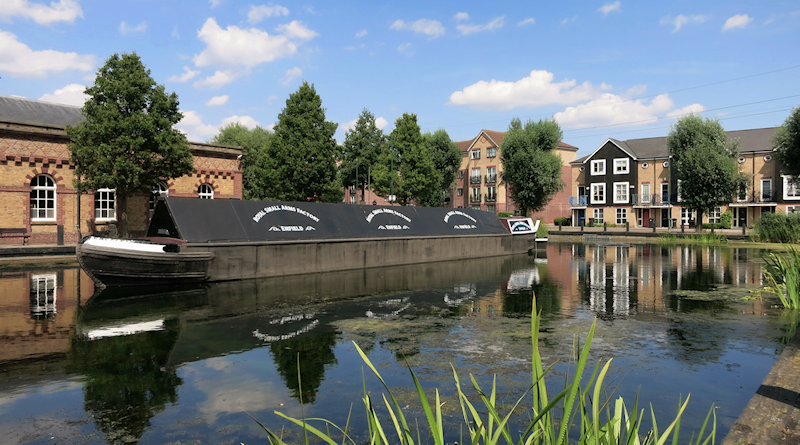
Enfield Island Village, Enfield A ‘flagship’ development of ‘regional significance’, according to the government at the time of its inception, built from 1997 to 2003 by Fairview New Homes on a 100-acre flood plain lying between the River Lea and the Cattlegate Flood Relief Channel Royal Small Arms Factory building and Royal Ordnance barge at Enfield Island Village The site of Enfield Island Village was formerly occupied by the Royal Small …
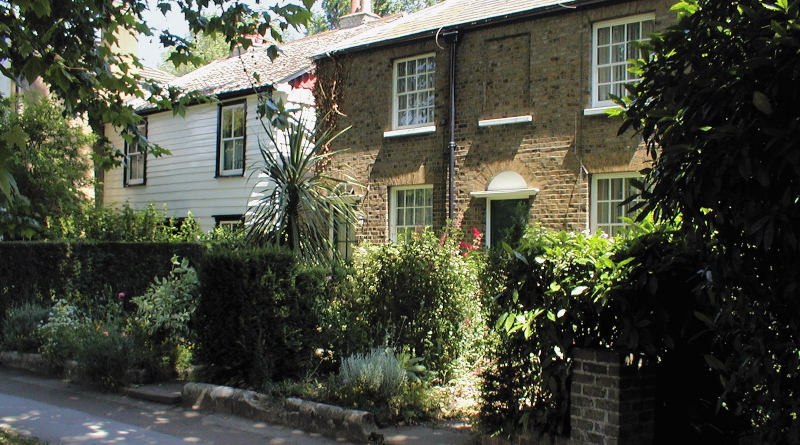
Chase Side, Enfield A charming residential locality situated north-west of Enfield Town, clustered along the road of the same name Chase Side This Chase Side should not be confused with a section of the A111 in Southgate, although both are so called because of their former location beside Enfield Chase. The road was in existence by 1572, when it was called Woodside, and a loose collection of dwellings grew up here during the 17th century. By…
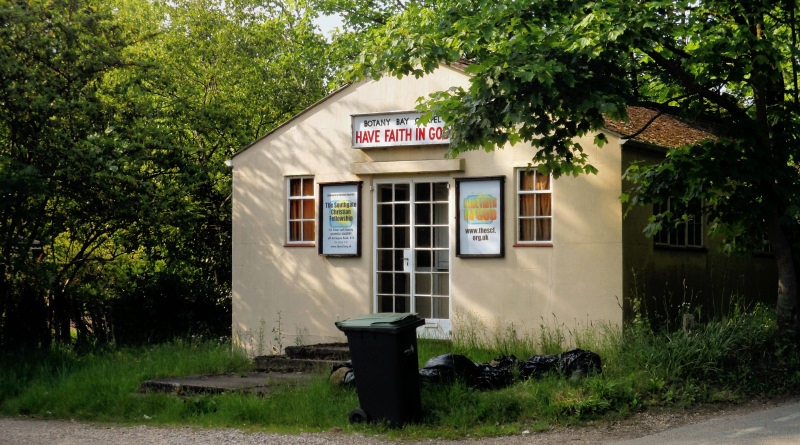
Botany Bay, Enfield A remote hamlet situated on the Ridgeway (A1005), which links west Enfield with the M25 at Potters Bar Botany Bay chapel Botany Bay takes its name from the former Australian penal colony, implying an isolated settlement in the same way that ‘World’s End’ was used two miles to the south. The hamlet came into being after the enclosure of Enfield Chase in 1777 and it had gained its cheeky name by 1819, when CG Greenwood identif…
Forty Hill, Enfield A comfortable residential locality on the north side of Enfield, taking its name from an Old English word meaning a patch of higher ground in a marsh Forty Hall John Tiptoft, Earl of Worcester, is said to have built Elsing (or Elsynge) Hall here in the 1460s. Sir Thomas Lovell, Speaker of the House of Commons and Chancellor of the Exchequer from 1485, lived here from 1492 and hosted frequent royal visits. It is said that Si…
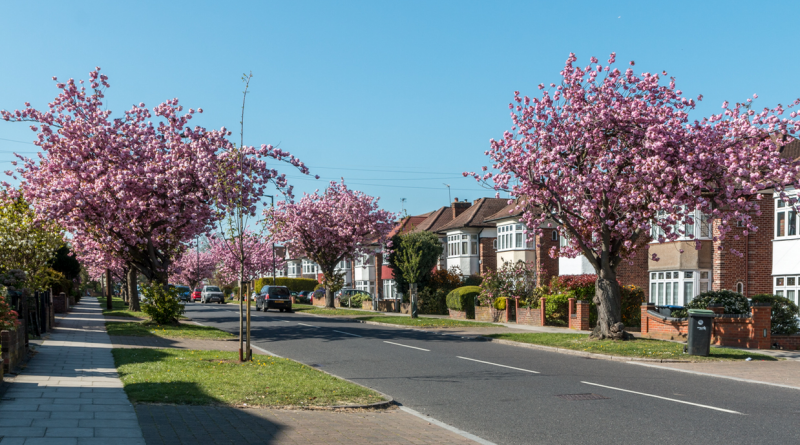
Bush Hill Park, Enfield A socially advantaged settlement situated on the southern side of Enfield Queen Anne’s Drive, Bush Hill Park The small estate of Bush Hill Park originated in 1671 and a ‘commodious brick mansion’ of that name was in existence by 1724. This was also known as the Clock House, from a clock tower that was removed in 1875. The Bush Hill Park Company began to build suburban houses on the estate in 1877. Prompted by the growth …
Edmonton Green, Enfield The focal point of Lower Edmonton, situated at the junction of Church Street, Hertford Road and Fore Street (earlier called Duck Lane here) Old and new blocks in regenerated Edmonton Green Houses appeared around Edmonton Green from the late 17th century and wholly encircled it in the following century. Fairs were held on the green and menageries were exhibited here. A station opened in 1849 and the surrounding area was …
Brimsdown, Enfield The borough’s principal commercial zone, now called a Business Area Much of Brimsdown is the preserve of industry and – unusually for London – pretty heavy industry too Brimsdown lies east of Enfield and west of King George’s reservoir and constitutes a large section of the Lee Valley industrial corridor. It was originally called Grimsdown, and nobody is quite sure how the G became a B. Maybe someone just thought the original…
Crews Hill, Enfield Horticultural heaven situated two miles north-west of Enfield The entrance to one of the dozens of garden centres on the ‘golden mile’ in Crews Hill Crews Hill was part of the woodland hunting ground of Enfield Chase and very little human activity took place here until after the enclosure and division of the chase in the late 1770s. Its present name derives from a family that lived here in the mid-18th century. By the e…
Southgate, Enfield A 1930s dormitory suburb located two miles south-west of Enfield Station Parade, Southgate Southgate, the hamlet that grew up by the southern entrance to Enfield Chase, was first mentioned in 1370. The gate stood near the present site of the Tube station. Another settlement grew up along South Street, in the vicinity of Southgate Green. Much of the surrounding area was woodland at this time, providing a resource for the poo…