Index of Places The 350 localities and attractions featured on Hidden London The places listed below are in the Gazetteer section unless marked as being in The Guide Places in the Gazetteer section are mostly localities, while those in the Guide tend to be smaller – often an individual structure. Some places in the Guide are double-indexed, to help you find them more easily. A few listed places have yet to be added, so they don’t yet have a h…
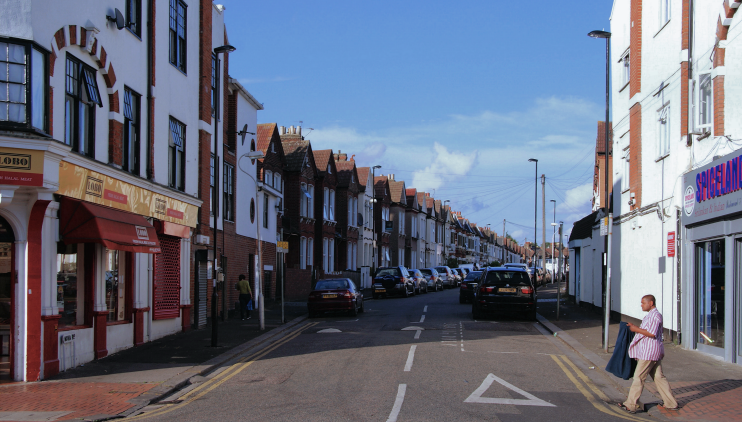
Selsdon, Croydon A prosperous southerly outpost of Croydon situated in an elevated position to the east of Sanderstead Selsdon’s name could have meant ‘dwelling on a hill’ – the locality occupies very high ground by London standards, some of it above 500 feet. Most of Selsdon used to be a single farm covering more than one square mile, owned for a long time by the Church. Its woodland was used for pheasant shooting in the 19th century, with cle…
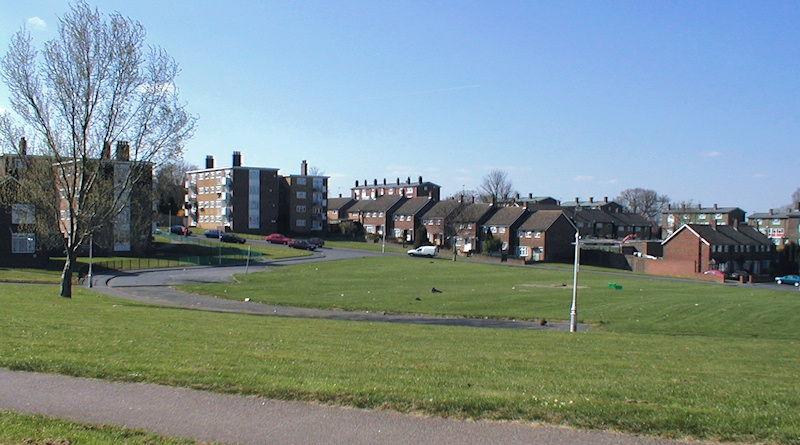
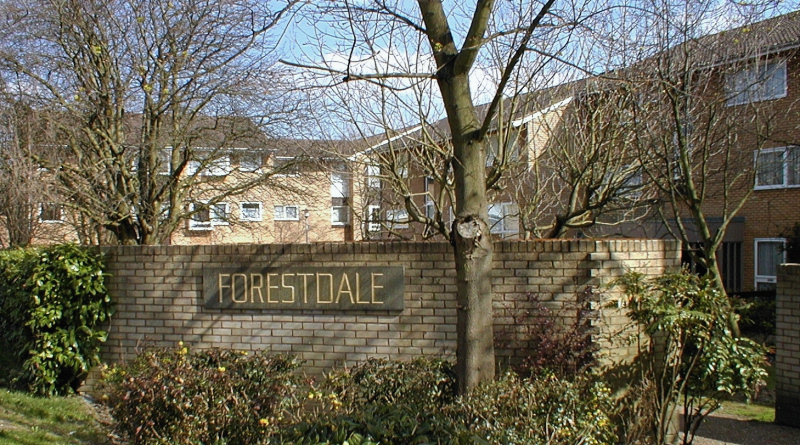
Forestdale, Croydon A privately developed housing estate situated on the eastern edge of Selsdon, and sometimes considered to be part of Addington Forestdale Forestdale is separated from New Addington by Addington Court golf course, which was the first privately run golf course to be opened to the general public when it was established in 1932. The flats and houses of Forestdale were mostly built in the late 1960s, on former farmland. Wates ad…
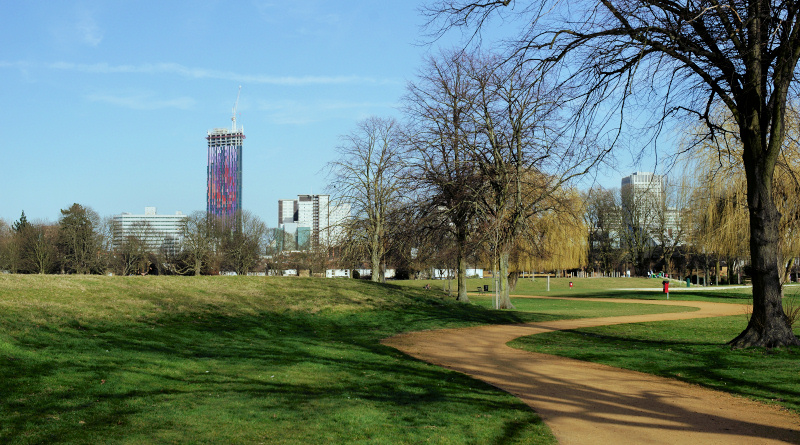
New Addington, Croydon An unofficial new town situated in the far east of the borough of Croydon, set on a steep hillside rising into the North Downs by nearly 200 feet along its north-south axis Fieldway and its wide open spaces Domesday Book records that, “Albert the clerk holds of the king Addington. Osweard held it of King Edward. It was then assessed at eight hides; now at two. There is land for four ploughs … woodland for 20 pigs.” This…
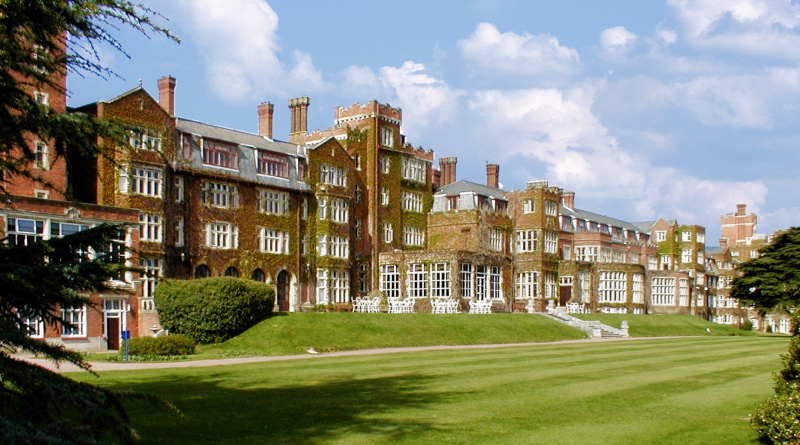
Addington, Croydon A North Downs village situated two-and-a-half miles east of South Croydon As the bunker in the foreground suggests, Addington Palace is now home to a golf club Addington’s name relates to a Saxon landowner and the manor was mentioned in Domesday Book as being held by Tezelin, the king’s cook. The book was a survey of English land ownership made by order of William the Conqueror in 1086. It was the site of one of Henry V…
Monks Orchard, Croydon/Bromley An interwar middle-class housing development located on the borders of Beckenham and Shirley, built in the grounds of a world-famous mental hospital The creative workshops at Bethlem Royal Hospital An Addington family called Monk owned a farm here sometime before the mid-17th century and Monksmead and Monks Orchard were the names given to their meadow and wood respectively. Lewis Lloyd acquired the estate …
Carshalton Beeches, Sutton A stockbroker belt southern extension of Carshalton The sitting room at Little Holland House (image courtesy of the London Borough of Sutton) Much of Carshalton Beeches was formerly part of Barrow Hedges Farm, so called from three ancient burial mounds located on the north side of Oaks Park. For centuries it was strip-farmed common land. Because the Sutton to Croydon railway line was forced to swerve south of the v…
…Bower). The cities of London Westminster is a city in its own right, as of course is the City of London. The former is also a conventional borough, the latter is a special case – a ‘unique authority’, as it calls itself. Croydon has applied unsuccessfully for city status on three occasions and is reapplying in 2012, along with Tower Hamlets. Inner and Outer London On the map above, the boroughs of Inner London are tinted darker than those…
…ckham Court estate was sold to Morrell’s, which was also building on the western side of Petts Wood. Construction work on the estate’s 1,000 homes began in 1933 and the shops of Kingsway Parade were built on the south side of Croydon Road. Many of the houses were in a standard style, with polygonal bay windows and half-timbered gables, and were priced more affordably than elsewhere in West Wickham, although this distinction has since diminished…
…imes during the Battle of Britain. Offensive missions flew from here after the pressure for defensive action was relieved. The airfield was downgraded to non-operational status in 1958 and the RAF finally left in 1980. When Croydon Airport closed, most of the operators who had not already made the move came across to Biggin Hill, which is now the most popular light aviation centre in southern England. Postcode area: Westerham, TN16 Population: …